
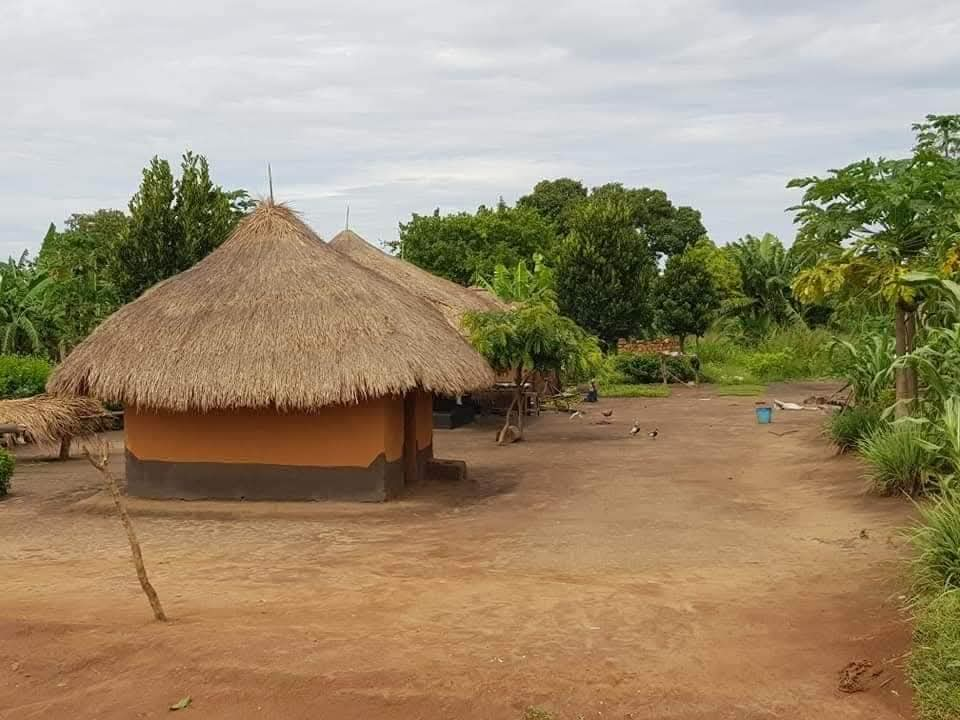
During my two years immersed in the vibrant communities of West Nile, Uganda, I was perpetually captivated by the breathtaking beauty of rural Africa. Every walk through the neighbourhoods offered a panoramic view of lush landscapes, fertile grounds, and homesteads teeming with life. Yet, amidst this stunning natural abundance and the incredible resilience of its people, a deeply painful and persistent question echoed in my mind: How can such a land, blessed with unparalleled fertility and overflowing with diverse crops and fruit trees, simultaneously grapple with pervasive poverty and alarming rates of malnutrition?
The evidence of this agricultural richness was everywhere. Gardens and small plots nestled within every homestead proudly displayed a cornucopia of produce: simsim, maize, millet, bananas, citrus, mangoes, and a myriad of other indigenous crops. The potential for self-sufficiency and thriving communities seemed, on the surface, limitless. However, when I posed the crucial question – Do farmers in rural Africa consume what they grow? – the answer was a stark and disheartening NO. And, sadly, for most urban dwellers outside of unique cases like Uganda, the answer remained the same: we don’t consume what rural Africa produces either.
The Unseen Shift: From Wholesome to Harmful Diets
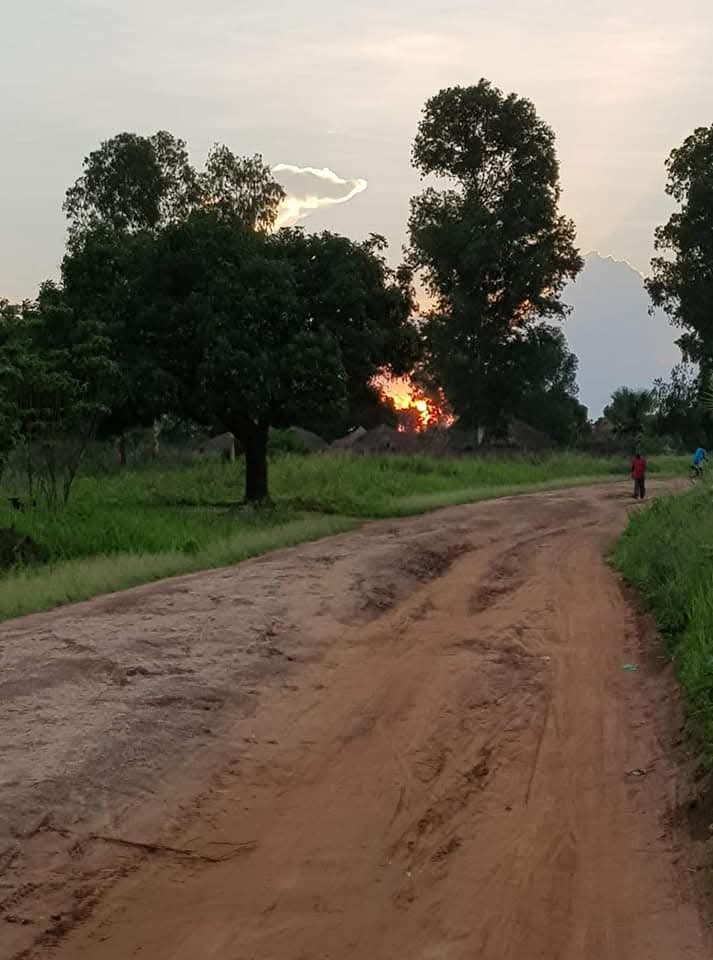
This profound disconnect between production and consumption has, over time, catalyzed a drastic and deeply detrimental transformation in traditional diets across the continent. We’ve witnessed a tragic erosion of culinary heritage, as fresh, nutrient-dense, locally grown foods have been steadily supplanted by an influx of highly processed, often imported, and frequently expired junk. The irony is bitter: the very hands that cultivate wholesome produce are often forced to buy back unhealthy alternatives.
The consequences of this dietary shift are not abstract; they manifest as tangible crises. In Kenya, for instance, we’ve seen alarming headlines detailing the importation of maize from Mexico and highly controversial sugar shipments alleged to contain mercury in the past. These incidents are not isolated but rather symptomatic of a broader systemic issue. Now, a looming maize crisis, exacerbated by multiple shocks including the lingering effects of the post #COVID19 pandemic, and the locust infestation that threatens to plunge already vulnerable communities deeper into food insecurity in parts of the continent. Lives and livelihoods, already stretched thin, face unprecedented pressure.
The Allure of Ailments: A “Colonized” Palate
It’s a truly paradoxical situation. Small-scale farmers, the very backbone of food production, find themselves in an economic bind. They are compelled to sell their highly nutritious produce, often at low prices, in exchange for essential household items like cooking oils, salt, and sugar – ironically, the very ingredients that, when consumed excessively, are known contributors to a wide array of non-communicable diseases. This isn’t merely an economic transaction; it’s a cultural shift. Our farmers, perhaps unwittingly, are mirroring the consumption patterns of an increasingly globalized, and sometimes “colonized,” lifestyle, gravitating towards supermarket shelves stocked with ailment-causing foods.

This unfortunate trend isn’t confined to rural areas; its ripple effects are clearly visible in urban centres. We see “malnourished” children in the estates of Nairobi – a term that often conjures images of hunger and scarcity. Yet, in many of these cases, it’s not a lack of food, but rather a tragic consequence of undesirable eating habits. These children have access to calories, but often from ultra-processed foods lacking essential micronutrients, leading to a different, yet equally devastating, form of malnutrition. They are victims of a system that prioritizes convenience and processed novelty over traditional, wholesome sustenance.
Reclaiming Our Plates: A Path to Food Security and Health
The solution, while seemingly straightforward, demands a fundamental reorientation of our collective approach to food. If farmers in rural Africa were empowered and encouraged to primarily consume what they produce, and if society as a whole could consciously resist the pervasive influence of unhealthy, imported lifestyles, then malnutrition and hunger could genuinely become vestiges of the past.
Imagine the transformative impact: communities brimming with healthier individuals, robust local economies empowered by internal consumption, and a profound rediscovery and appreciation for the incredible bounty that rural Africa already offers. This isn’t just about food; it’s about reclaiming cultural identity, promoting sustainable agricultural practices, and fostering true food sovereignty. It’s time to champion indigenous crops, support local food systems, and empower every community to reclaim their dietary heritage for a truly sustainable, healthy, and prosperous future.
What steps do you think are most crucial for rural African communities to shift back towards consuming their own nutritious produce?
Only a smiling visitor here to share the love (:, btw outstanding design.
Hello! I’ve been following your site for a while now and finally got the courage to go ahead and give you a shout out from Kingwood Tx! Just wanted to tell you keep up the great job!
Your comment is awaiting moderation.