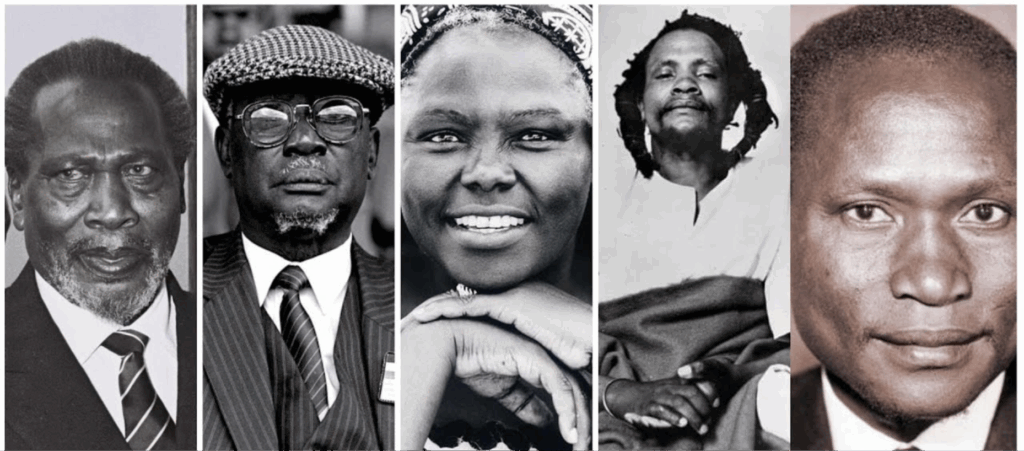
“To fight for the benefit of an ignorant and selfish people is like setting yourself on fire to light the path for blind men.” Mohamed Rachid Rida.
The Shepherd and Che Guevara
When Che Guevara fled into hiding in Bolivia, a poor shepherd betrayed him, scared by the ring of gunfire that disturbed his goats. Imagine it: freedom offered up on the altar of peace for goats. That’s not just history; it’s a metaphor for us.
Mohammed Karim’s Sacrifice and His People’s Cowardice
Mohammed Karim fought gallantly Napoleon’s army, holding Alexandria with grit. Captured, Napoleon proposed to offer him freedom if his people ransomed him. Chained and humiliation, Karim strolled through the bazaars of his city and begged the merchants to help him.But the merchants turned their backs. They accused him of being a property destroyer, a troublemaker. Their cowardice murdered him, not Napoleon. He did not die because he lost the battle, but because his people betrayed him.
This tale hurts Kenya. How many here are mocked as “attention seekers”? How many whistleblowers have been abandoned, sent into exile, or turned up dead, while the public gets on with life?
The Philosophy of Mohamed Rachid Rida
History is filled with the graves of heroes whose greatest enemy was not foreign soldiers, not cruel dictators, not bullets or bombs, but the stab in the back from their own countrymen. Betrayal, that silent knife, has pierced deeper than any sword. From Che Guevara betrayed by a shepherd to Mohammed Karim deserted by the merchants of Alexandria, we witness a sour reality: reformers are not only toppled by the force of tyrants, but also by the cowardice and silence of the very population for which they struggle.
How many Kenyans have said, “At least there’s peace, don’t rock the boat” when corruption takes their blind? How many yawn at oppression, just because the crackling of politics is a disturbance to their own comfort? Each time we keep quiet, we are echoing that shepherd, protecting our animals but losing freedom
Kenya stands here today. Our headlines tell stories of courage and resistance, but there is a sinister trend developing beneath them, betrayal of those who desire to dream differently. Unless we are willing to learn, history will write our fate with the same pen that signed Alexandria.
Rida’s dire words continue to echo: “To fight for the benefit of an ignorant and selfish people is like setting yourself on fire to light the path for blind men.”
It’s the cost of Kenya’s reformers, holding up lights for citizens who too often won’t look. How many of us swipe by corruption scandals, grumbling, “Nothing will change”? That blindness fuels betrayal.
Betrayal as a Cycle in African Conflicts
From the struggle against colonialism to freedom fights, betrayal has been an ever-present aspect. Chiefs who allied with colonial leaders. Citizens who denoted Mau Mau fighters. Neighbors who betrayed freedom fighters for ration food.
And after independence? Betrayal cut ever deeper. Assassinations of Pio Gama Pinto, Tom Mboya, and JM Kariuki followed by whispers, shrugs, and silence. Their killers protected by not justice, but a reluctant public to endanger peace at the cost of truth.
Kenya’s Own History of Betrayal
Kenya’s story of treason is not penned with the foreign pen, but is written on our own ground, watered by patriots’ blood, and carved in the stillness of a nation too long too cowed to stand alongside their heroes.
The Mau Mau dreamed of freedom. They left behind homes, lands, lives themselves, to trek into the jungles with nothing more than courage and faith. They were hunted like animals, tortured, hanged, and buried in clandestine graves. But when freedom came, it was not they who benefited from it. They remained in wretchedness, landless, without dignity, or status, but collaborators, those who dined with the colonizer and against their own, were awarded posts, riches, and deeds of title. The Mau Mau treachery was Kenya’s first wound, a lesion that continues to seep in the laments of homeless veterans begging for recognition in their old age.
It did not end there. Fresh reformers reappeared in the 1980s and 1990s, when Kenya groaned under dictatorship. Women and men poured into the streets demonstrating against multiparty democracy, transparency, and freedom. They were clubbed, tear-gassed, jailed without trial, and branded “enemies of development.” Names like Kenneth Matiba, Charles Rubia, Wangari Maathai, Raila Odinga, and countless nameless student activists carried the cost of reform. But as they suffered, common citizens would whisper in dread, “Don’t get involved, politics is dangerous.”.
That silence, too, was betrayal. Every time a Kenyan averted his face as a neighbor was dragged away by the police, every time a bribe was slung to “get by,” every time an official who was corrupt was cheered at a rally, the knife of betrayal was driven deeper into the backs of the reformers.
This past has developed a society where not only is corruption illegal, it is culture. Betrayal has been normalized, passed down like an heirloom. From the Mau Mau betrayed in the forest, to the reformers betrayed on the streets, to the whistleblowers betrayed in boardrooms of today, Kenya’s wounds have always been inflamed by its own silence.
And perhaps that is the hardest truth to face: Kenya has never lacked heroes. What it has lacked, time and again, are citizens brave enough to stand with them.
Authoritarianism Across Africa
From Egypt’s Hosni Mubarak to Zimbabwe’s Robert Mugabe, despots cling to power. Sudan, Guinea, Mali, all have fallen to military coups. Kenya too has known dark chapters, detentions without trial, assassinations, censorship, silenced press in the past. Each time, the people betrayed reformers with silence.
The Danger of Constitutional Coups
Africans’ leaders use laws to remain in power for extended periods. Museveni cancelled Uganda’s term limits. Ouattara of Côte d’Ivoire seized a third term.
Are we not merchants of Alexandria if Kenyans cheer leaders who bypass the rules instead of struggling?
Dynastic Politics
From Gabon’s Bongos to Togo’s Eyadema dynasty, dynasties suffocate Africa. Kenya, too, dances to the tune of dynasties, where political surnames trump vision. New ideas by the youth are discouraged, not because of ability, but because their surnames do not carry clout.
When individuals support dynasties, they become reform’s greatest enemies.
Shrinking Civic Space in Africa
Nigeria closed down Twitter. Ethiopia shut down the internet. In Kenya, we see milder repression, harassment of the media, brutality of the police against protesters, harassment of critics by the law.
Resistance to Change at Home
Reformers demand, elites push back. Youth protest, politicians co-opt. The 2024 Gen Z protests began as pure citizen anger but were quickly infiltrated, diluted, and made peripheral. Resistance to change does not come from the top, it comes from within betrayal.
Corruption as National Betrayal
Goldenberg, Anglo Leasing, NYS Scandal, COVID-19 funds, KEMSA Scandals etc. Billions vanish, hospitals are left in shambles, schools collapse. Reformers demonstrate, but citizens re-elect people who have questionable integrity occasionally even dancing at demonstrations where stolen wealth is being thrown around.
What greater betrayal can one make than to elect leaders who steal your children’s future?
Gen Z’s Cry
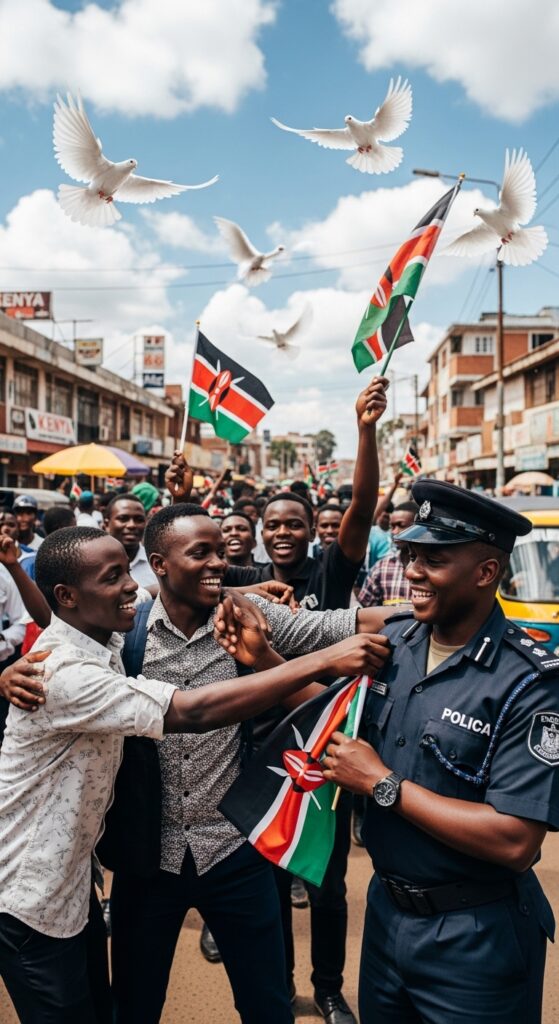
The Gen Z protests were protests, no, they were a heartbeat, a stomach cry from a generation that would no longer be quiet. With flags aloft and chants echoing through the streets, young Kenyans shouted, “We are tired!” Tired of corruption, tired of broken promises, tired of shouldering the heavy burden of a nation that has not protected their dreams.
For a few moments, hope finally had a voice. Their courage rattled the establishment. The privileged few, hitherto shielded by their status, were dismayed by the raw audacity of young people who would not have their heads bowed in shame. It was fire, untamed, unbridled fire, that swept through Nairobi, Mombasa, Kisumu, Eldoret, and beyond.
As always, politicians did what they always do, they hijacked the movement. They manipulated the energy of Gen Z into another piece on their endless boards of deception and power. The protests that began as a people’s movement were soon colorized with the same old tribalism and partisanship hues.
Fatigue had set in. The burning fire that once raged diminished not because the youth lost their zeal but because betrayal had smothered their trust. Just like what happened to Karim in Alexandria, they too were abandoned during the time when they needed to be protected. A generation that was bold enough to believe in transformation was left alone, wondering if their fight had been in vain.
But still, beneath the ash, the embers glow. Betrayal has silenced the streets for a time, but it has not silenced the soul. Gen Z has seen the truth; they have watched the masks fall apart. And when one generation is awakened, it can never be lulled back to sleep.
Reformers Who Refused to Die in Silence
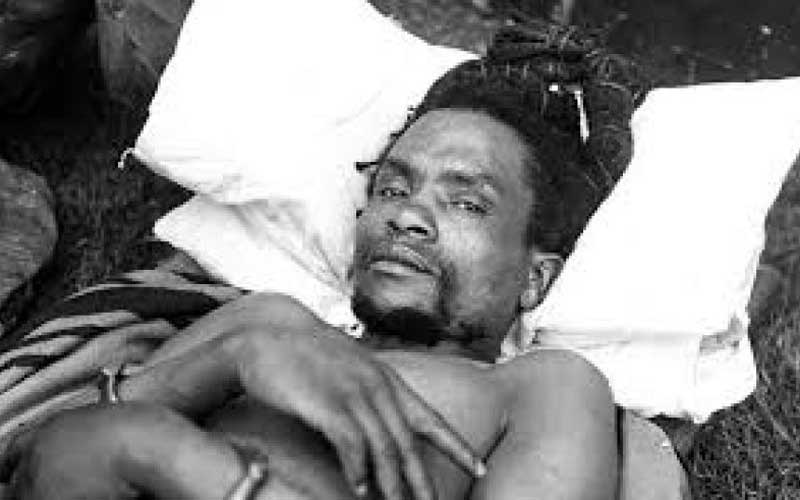
Yet, despite betrayal, some heroes refused to bow. Dedan Kimathi faced the hangman, but his courage seeded independence. Wangari Maathai faced ridicule, but her persistence birthed a global movement. JM Kariuki’s death still whispers warnings about inequality.
Their lesson is clear: even when betrayed, a hero’s fire can outlive their flesh.
The Emotional Toll of Betrayal on Reformers
Imagine being isolated by working for millions and being mocked by the very people you serve. Betrayal breaks hearts more than bullets do. Some reformers do not only die from bullets, but despair. But others rise again, and will not let betrayal destroy hope.
A Call to Kenyans- Stop Being Merchants of Betrayal
Fellow Kenyans, the time is here to confront a disturbing fact, we, the ordinary citizens, have become dealers in betrayal. Not always with guns and chains, but with indifference, apathy, and silence. Every time a reformist dares to raise his voice and we do not stand with him, we hand him over into the jaws of the wolves. Each time we mock the pretor that has been assaulted on the streets, each time we dismiss the protester as “idle” or “unruly,” we trade our future for temporary comfort.
Betrayal is not a scream. Sometimes it is the quiet decision to stay home on voting day and then complain afterwards when looting leaders loot the nation. Sometimes it is the selfish vote you cast for a man you know has a history of thievery, simply because he is from your clan. Sometimes it is mocking people who take the initiative to ask for more, forgetting that their struggle is your struggle too.
Each act of betrayal, however small, creates yet another strand to the rope that is around our neck. We cannot complain of hunger while applauding thieves. We cannot complain of poverty while glorifying those who have stolen from us in blindness. If we just keep betraying our own heroes, Kenya will never heal.
The truth is simple: heroes don’t and cannot succeed by themselves. They need a people who will stand, who will speak up, who will resist. Freedom isn’t something that’s bestowed upon us, it’s a burden that we carry together. If we abandon those who fight for justice, then we abandon ourselves.
Thus I call for this with urgency, let us stop selling our country for thirty pieces of silver. Let us stop betraying those who have the guts to dream of a just Kenya. The destiny of this nation lies not in State House or Parliament, but in her people’s choices. And with each choice of betrayal comes one more nail in the coffin of our future.
Building a Culture of Accountability
Kenya must build institutions stronger than treachery. Free press, vigilant citizens, courts that penalize impunity. A society where silence is shame, and siding with reformers is duty.
Final Thoughts
History is cruel: it remembers treachery more than oratory. Che Guevara’s shepherd. Mohammed Karim’s merchants. Kenya’s silence.
Heroes will not save cowards. If the Kenyans remain as they are, our fate shall not be designed by reformers, but by tyrants, as we graze our goats in pretended peace. The choice is ours: to be merchants of betrayal or the guardians of destiny.
FAQs
- Why does betrayal keep recurring in African history?
Because people often choose personal comfort over collective freedom. - How has Kenya betrayed its own heroes?
From abandoning Mau Mau fighters after independence to mocking Gen Z protesters in 2024, betrayal is a recurring theme. - Why is corruption seen as betrayal?
Because stolen funds rob citizens of healthcare, education, and opportunity, yet citizens often re-elect the same thieves. - What can citizens do to stop betrayal?
Support reformers, reject corrupt leaders, defend free speech, and demand accountability consistently. - Why do reformers keep fighting despite betrayal?
Because true heroes understand freedom is not gifted, it must be fought for, even if the crowd turns its back.
Informative and Inspiring piece..
“Reformers are not only toppled by the force of tyrants, but also by the cowardice and silence of the very population for which they struggle.” This statement summarizes the article.