
Picture this: you’re bouncing along a sun-baked dirt track in Garissa County, Kenya, with the Somali border shimmering on the horizon like a distant promise. The air smells of dry earth, acacia trees, and a faint hint of hope that somehow refuses to pack its bags. That’s exactly how my recent three-day adventure at the Dadaab Refugee Complex felt, and trust me, it was an eye-opener wrapped in dust, laughter, and pure human grit.
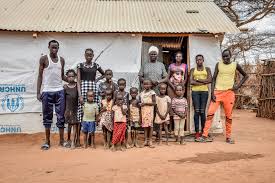
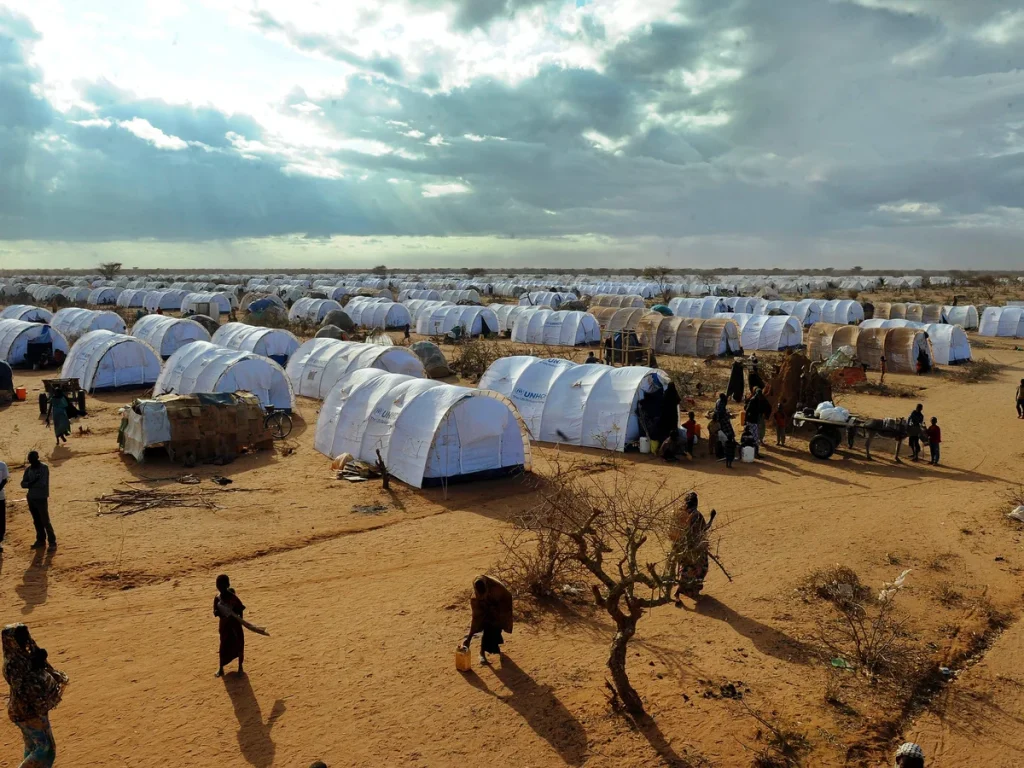
Established way back in 1991 as a temporary haven for Somalis fleeing civil war, Dadaab has quietly become one of the world’s largest and most enduring refugee settlements. Today it shelters over 420,000 registered refugees and asylum seekers (as of early 2026), with more than 96% hailing from Somalia. What was originally designed for just 90,000 people now sprawls across four main camps “Dagahaley, Hagadera, Ifo, and Ifo 2” in a semi-arid landscape that tests every ounce of resilience. Generations have grown up here, some calling it home for over 30 years. Overcrowding is real: families squeeze into makeshift shelters on the outskirts, food rations keep shrinking due to global funding cuts, and the region’s wild swings between drought and devastating floods (like the ones that hit hard in 2024 and 2025) keep everyone on their toes. Yet somehow, amid all that, life refuses to hit pause.
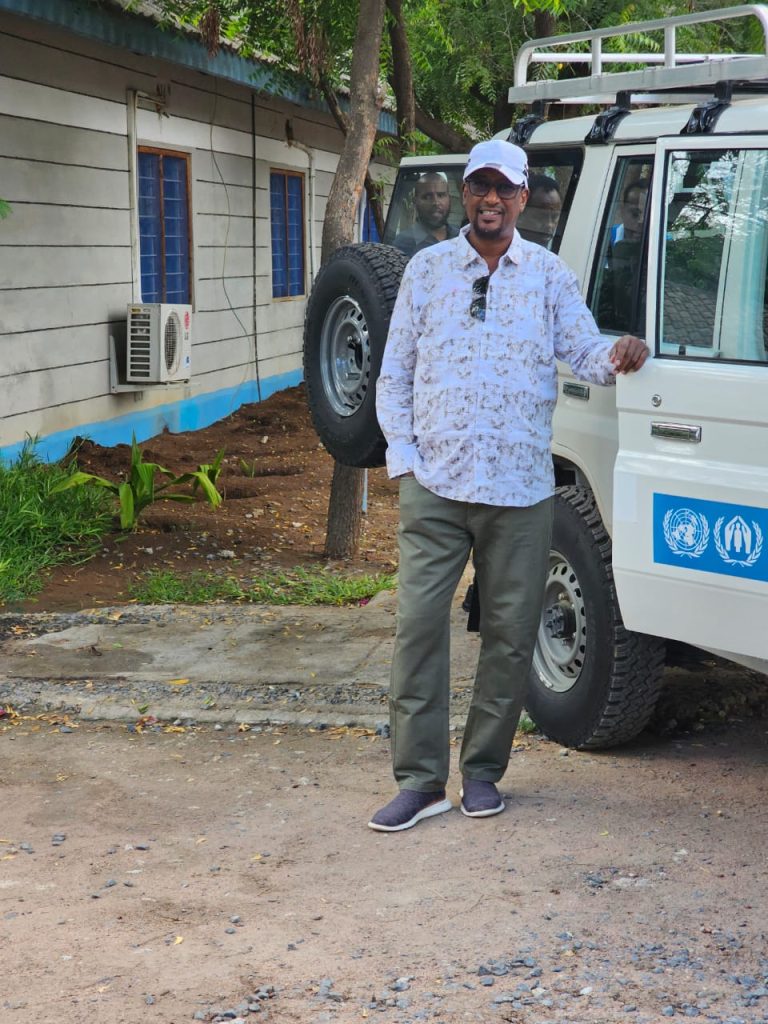
Stepping into the camps with esteemed partners and UNHCR felt like walking straight into a living storybook. We weren’t just visitors, we rolled up our sleeves, shook hands, shared chai under makeshift shades, and listened. We saw the daily realities up close: the long queues for water, the entrepreneurial buzz in the markets, the kids chasing footballs between tents, and the quiet determination in every conversation. It was raw, it was real, and it sparked hours of brainstorming on how to turn challenges into clever, sustainable solutions that actually stick.
One massive “lightbulb moment” hit us early: partnerships aren’t just nice, they’re rocket fuel for change. The standout highlight? Touring the nearly completed Dadaab Level 5 Hospital, a gleaming beacon funded by the European Union and Garissa County Government. This isn’t some small clinic, it’s going to be a full-blown referral centre, serving refugees, the host community, and even folks from farther afield. Imagine state-of-the-art wards rising from the red earth, ready to handle everything from routine check-ups to complex emergencies. Walking through the construction site, hard hats on, we could already feel the future health impact rippling outward. It’s the kind of project that makes you grin and think, “Yes, this is how you build hope brick by brick.”
But the real surprise that had us buzzing? The thriving underground economy that’s quietly powering Dadaab! Forget the stereotype of dependency, we saw women and youth running the show with flair. Community savings groups (those clever “table banking” circles), small businesses selling everything from fresh veggies to tailored clothes, and creative enterprises popping up like desert flowers after rain. A personal favorite story? Meet Abdinoor Hussein Ali in Dagahaley camp. After a heartbreaking tragedy that could have flattened anyone, this young Somali refugee dusted himself off, restarted his business, and now employs four fellow camp residents. Talk about turning lemons into a full-blown lemonade stand, or in his case, a thriving little enterprise! His energy was contagious, and it reminded us that resilience isn’t just surviving… it’s thriving with style.
Of course, we didn’t gloss over the tough stuff. At Hilac Primary School, we met 4,000 bright-eyed kids packed into classrooms that have seen better decades. Dilapidated roofs, zero textbooks in some grades, erratic water supply, and facilities that are basically shouting for an upgrade. Yet the teachers? Absolute legends. They’re teaching with passion, cracking jokes, and somehow keeping the learning flame alive even when the infrastructure is gasping. Watching those kids laugh and learn in the middle of it all was a masterclass in “making do and making magic.” It hit us hard: these young minds deserve so much more, and their teachers are the unsung heroes holding the fort.
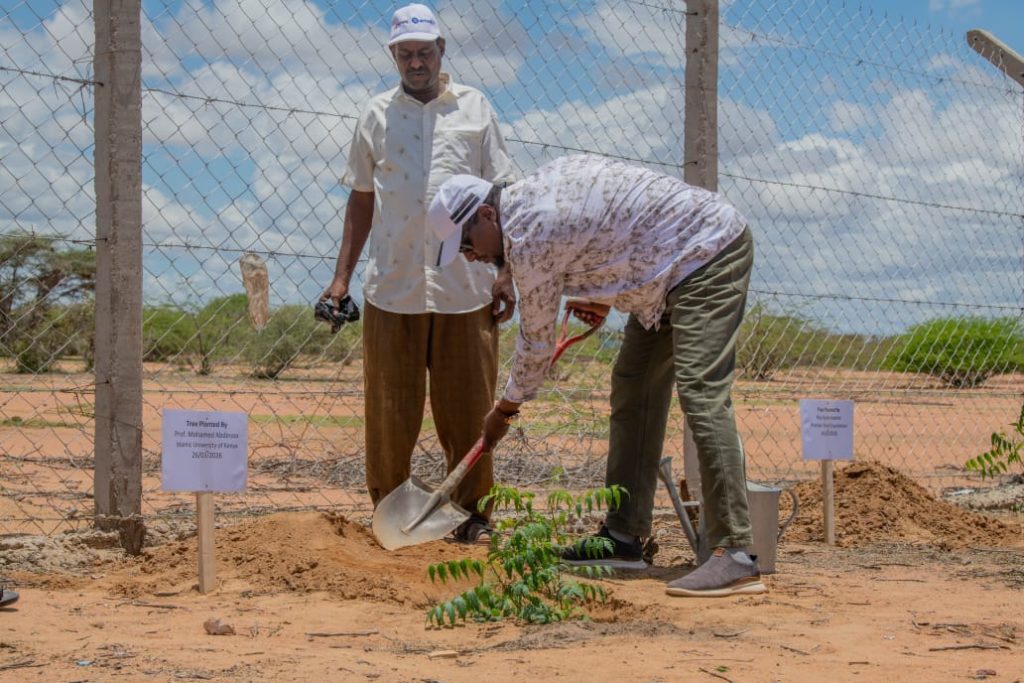
The trip wrapped on a high note with a lively debrief at the UNHCR complex. Partners from across the board, including The Islamic University of Kenya, represented by the dynamic Prof. Mohamed Abdinoor Dahir, sat together, swapping ideas and recommitting to the long game. The university isn’t just talking the talk; they’re walking it by sponsoring refugee students from Dadaab and Kakuma for tertiary education and hands-on skills development. Watching Prof. Dahir roll up his sleeves (literally, we even caught him planting a tree as a symbol of growth!) was pure inspiration. It felt like the perfect full-circle moment: from dusty paths to university halls, doors are opening.
And because no adventure is complete without a plot twist, we stumbled upon a genuine hidden gem: Aqalheryo Resort right in Dadaab town. Picture a serene little oasis tucked away from the bustle, fresh farm produce straight from the soil, grazing livestock, and the most delicious camel milk tea you’ll ever sip. We sat under the trees, laughter echoing, and for a moment it felt like the desert was whispering, “See? There’s beauty and bounty even here.” Who knew a refugee complex could double as a secret travel tip?
Recommendations for a Brighter, Bolder Dadaab Future
With funding cuts biting harder than ever, reduced food rations, growing overcrowding, and the constant tug-of-war with climate shocks; it’s clear we can’t keep doing the same things and expect different results. Despite three decades of investment, gaps remain: water storage is still scarce, latrine coverage lags behind standards, energy demands are enormous (imagine powering an entire city with solar dreams), and access to secondary and tertiary education feels like a distant star for too many.
Here’s our playful yet practical playbook for turning the page:
- Crank up community engagement: stop guessing what people need and start asking the experts: the residents themselves. Tap into their local solutions, brilliant ideas, and that unbreakable resilience. When communities lead, magic happens faster than you can say “Dadaab strong.”
- Unleash philanthropy and private-sector superpowers: think beyond traditional aid. Bring in innovative funding, tech wizards, and business brains for fresh resources and out-of-the-box projects. It’s time to swap short-term handouts for long-term hand-ups!
- Go all-in on smart infrastructure: water, sanitation, clean energy, and education must top the priority list. Imagine solar-powered schools, rainwater harvesting systems that actually work, and upgraded health facilities that don’t just patch problems but prevent them. Small investments here create massive ripple effects.
- Supercharge local businesses: keep spotlighting entrepreneurs like Abdinoor, expand market access, and build self-sustainability. When refugees and host communities thrive economically, everyone wins; fewer aid dollars needed, more dignity restored.
Dadaab isn’t a static headline or a distant statistic. It’s a living, breathing community of dreamers, doers, and survivors who turn red dust into opportunity every single day. By linking arms; UNHCR, government, universities like the Islamic University of Kenya, philanthropists, private partners, and the residents themselves; we can shift from “managing a crisis” to “building a future.”
So here’s to the next chapter: more hospitals, more schools that sparkle, more businesses booming, and plenty more camel-milk-tea moments under the acacia trees. The resilience we witnessed wasn’t just impressive, it was infectious. And if we all catch a bit of that spirit, there’s no limit to what we can achieve together.
#Dadaab #RefugeeSupport #Healthcare #SustainableDevelopment #ResilienceInAdversity #EducationMatters #KenyaRefugees #PartnershipsThatWork
Congrats and be the leading in the world in all fields..
What struck me most is how honestly this piece confronts the reality we often avoid. Dadaab is no longer a temporary solution. It is, in practice, a long-term settlement shaped by years of policy hesitation and global indifference. Reading this, I was reminded that behind the numbers are people who have built entire lives in a space never designed for permanence.
I appreciate the balance in the reflection. It neither reduces refugees to victims nor glosses over the structural limits imposed on them. There is resilience, yes …but it exists within tight constraints that no amount of individual effort can overcome without meaningful policy change.
For me, the article quietly challenges a comfortable narrative. It forces us to ask whether the current humanitarian approach is still fit for purpose, or whether it has simply become a way of managing, rather than resolving, displacement.
Excellent write up. Thanks for sharing this Prof.
What struck me most is how honestly this piece confronts the reality we often avoid. Dadaab is no longer a temporary solution. It is, in practice, a long-term settlement shaped by years of policy hesitation and global indifference. Reading this, I was reminded that behind the numbers are people who have built entire lives in a space never designed for permanence.
I appreciate the balance in the reflection. It neither reduces refugees to victims nor glosses over the structural limits imposed on them. There is resilience, yes—but it exists within tight constraints that no amount of individual effort can overcome without meaningful policy change.
For me, the article quietly challenges a comfortable narrative. It forces us to ask whether the current humanitarian approach is still fit for purpose, or whether it has simply become a way of managing, rather than resolving, displacement.
You’re welcome Abdinoor. Glad you found time to read.
This is such a powerful and moving piece. The way you’ve captured both the harsh realities and the resilience of people in the camps is truly commendable. Stories like these deserve to be heard. Well done Prof.
MashaAllah professor good work. May life never disappoint you ameen
Well put brother Dr.Mohamed Abdinoor,its not only refugees running aqay from civil war but also those fleeing climate extremes and disasters due to climate change. We need to invest in ways where both the refugees and host communities can adapt and thrive in the realities of climate change. Our way of life i.e. pastrolism is under threat due to changing climate where rainfall pattern is unoreductable. We must have programs to accept the changing social norms in our community. The old way of life must accept and move with the changes. Deliberate efforts must be made to make sure the excluded groups from decision making are included especially women and young men in matters governance of natural resources and must be given the power to manage,control and access this dwindling resources.
Maashallah. Interesting read. I feel challenged and in shaa Allah would love to travel to interact with the refugee communities. Taqweem360 could be able to initiate something for the benefit of the kids there. Wabillahi Tawfiq
What has motivated me on reading this is “It’s time to swap short-term handouts for long-term hand-ups!” Actually it is true using our tech potentials we can brighten the future on Refugee camps and inhabitants. Kudos prof be blessed
A powerful reminder that even in the harshest conditions,the human spirit refuses to break
annoretta@gmail.com
What a powerful reflection showing refugees’ resilience, dignity, and hope while urging compassion and lasting solutions. Allahuma Baarek Prof!
Well-done Prof. A very insightful write-up. All the best
The story is engaging, blending realism with hope and inspiration. I appreciate the focus on local innovation and partnerships. It powerfully reminds us that dignity, determination, and opportunity can thrive even in the harshest environments. Its the season to connecr Prof .Great piece plz shared with the local newspapers .