A Nation in Search of its Voice
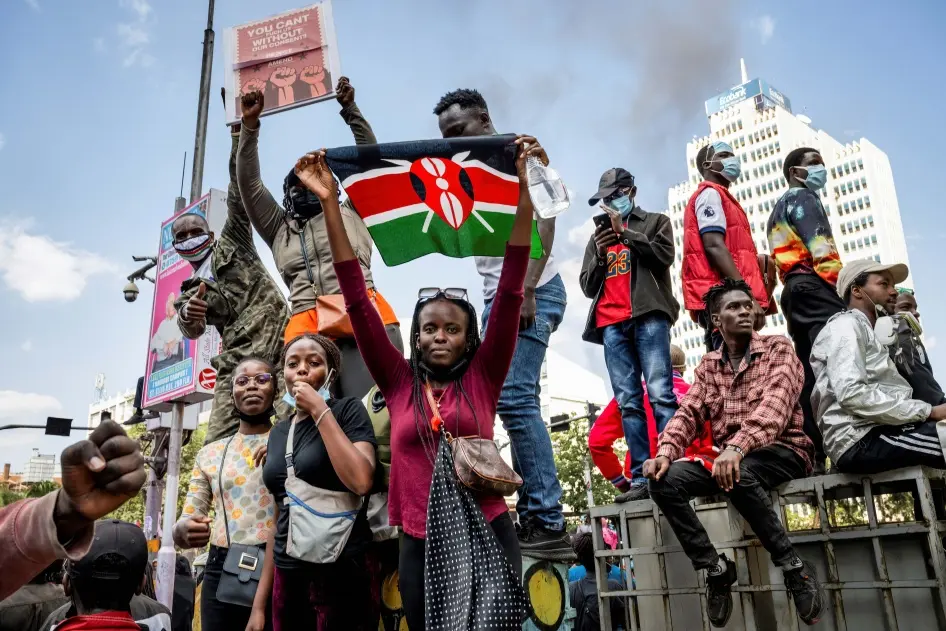
Once a beacon of East African stability, Kenya now stands wobbly under the weight of social angst and systemic failures. From the streets of Nairobi to other major cities, hope fights to keep its flicker alive against grand corruption, economic despair, and the brutal suppression of dissent.
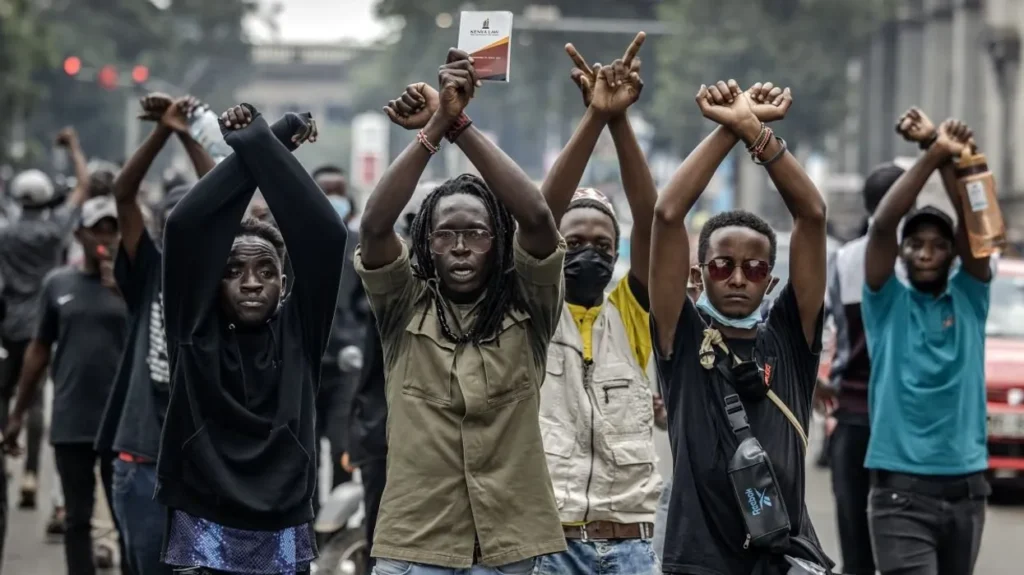
Recent youth-led protests erupted over growing police violence, the death of a street hawker, and the unexplained death of a blogger held in custody, all against the backdrop of rising living costs and spiralling unemployment. The Kenya National Commission on Human Rights (KNCHR) reported monitoring demonstrations in at least 23 counties on June 25, 2025, to mark the first anniversary of the Gen-Z demonstrations. The KNCHR expressed alarm at “continuous violations of Human Rights and non-adherence to the rule of law by both state agencies and select group of citizens”.
The KNCHR has received reports of eight fatalities, all allegedly from gunshot wounds, across six different counties: two in Machakos, two in Makueni, one in Nakuru, one in Kiambu, one in Uasin Gishu, and one in Nyandarua. Over 400 casualties have been reported, including demonstrators, police officers, and journalists, with 83 referred for specialized treatment, eight with gunshot wounds. At least 61 individuals have been detained nationwide, mostly in Nairobi County, and there are reports of unbooked arrests. The KNCHR “condoles with families of the deceased”.
Noam Chomsky’s Gift of Words And His Loss
Noam Chomsky, the towering American philosopher known for exposing global power dynamics, has lost his ability to speak or write at 95. His language, the weapon with which he sliced through propaganda and systemic hypocrisy, is gone. His absence reminds us why words matter, especially when systems aim to silence us.
Chomsky’s life work offers a blueprint for Kenya: question authority, seek truth, resist corruption. Losing his pen isn’t just a personal tragedy; it’s a warning that if we abandon language and truth, the void will be filled with control and fear.
“Failed Systems”: Chomsky’s Warning to Kenya
“There are no poor countries, only failed systems of resource management.”
In Kenya, this rings tragically true. Allegations of massive corruption scandals, rising cost of living, and unfulfilled promises seem to be the norm. Every stolen shilling is a broken classroom, a neglected hospital ward, a drought-stricken farming community. And as Chomsky warns, poverty isn’t a natural disaster; it’s a systemic failure.
Economic pain on the streets of Nairobi
Tax hikes, inflation, and unemployment are factors that have conspired to choke an entire generation. Around 67% of Kenyans under 30 are unemployed. Even those with university degrees struggle to find jobs while inflation erodes their purchasing power. Recent youth protests ignited by the death of blogger Albert Omondi Ojwang tell a story of anger, waiting, and the refusal to settle.
Imaginary Enemies, Real Suffering
“If you want to control a people, create an imaginary enemy that appears more dangerous than you…”
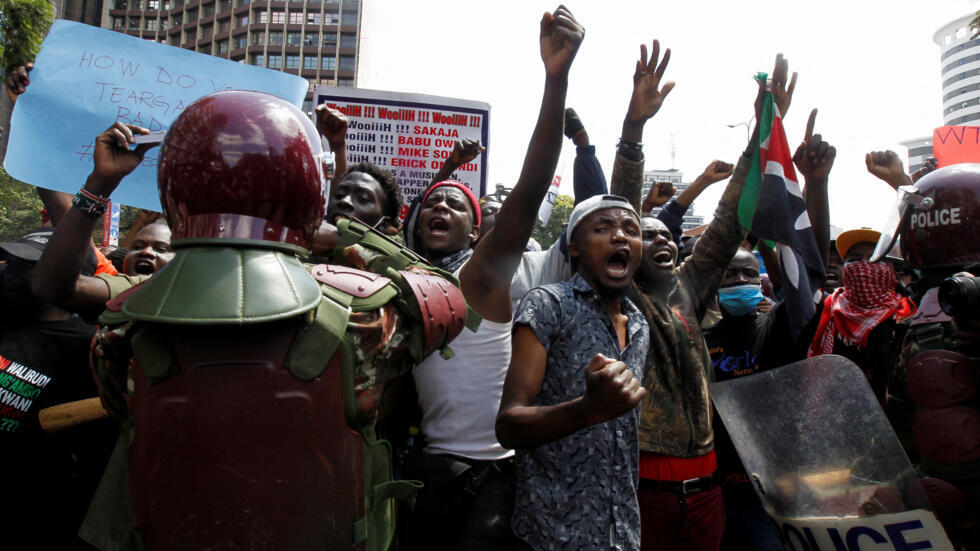
Kenya’s government, in Chomsky’s terms, has resorted to fearmongering: “law and order threats,” criminal gangs, even foreign conspiracies. These narratives justify heavy-handed policing and media blackouts. The KNCHR received information about “infiltration of the demonstrations by Criminal Elements and Destruction of Property,” with “credible reports of ‘hired goons’ infiltrating protests in Eldoret, Mombasa, Nairobi, Nakuru, Nyeri, Kajiado and Kisumu” who have “engaged in violence, looting and property destruction”.
The KNCHR also noted “widespread police deployment across various counties” and “allegations of excessive use of force, including the use of rubber bullets, live ammunition and water cannons, resulting in numerous injuries”.
Policing, protests, and the hollow promise of security
On June 17, 2025, police shot and killed a hawker during protests. This brutality, condemned by courts, activists, and ordinary citizens, became a stark reminder that physical safety is being traded for systemic injustice, all in the name of “security.”
“…and present yourself as their savior.”
By playing the savior while failing to deliver basic needs, leaders gain scapegoating space. Instead of addressing poverty or corruption, the government blames protestors. Instead of fixing flawed institutions, it uses force. And instead of engaging in constructive dialogue, it locks live media broadcasts mid-protest. It is not getting any better, unfortunately.
Information Is Power: Who Holds the Mic?
“No one will place the truth in your mind, it is something you must discover for yourself.”
Truth is neither handed down nor broadcast in TV soundbites; it’s uncovered, questioned, debated. In Kenya, social media has become a defiant truth channel. Youth are livestreaming police actions, sharing memes, showing funerals, memorials, and solidarity water bottles. Yet the government pulls plugs on live coverage. The KNCHR “strongly condemns the directive by the Communications Authority (CA) ordering media houses to stop live broadcasts of the demonstrations and removing some stations from various platforms,” stating that “This action directly violates Article 34(2) of the Constitution, which guarantees media freedom and prohibits state interference, as well as Article 35(1)(b), which ensures the public’s right to access information”. This forces citizens back into the digital trenches.
Social media and Gen Z rage
Generation Z knows its power. With smartphones in hand, they’ve bypassed mainstream suppression. They expose abuses, humanize protest, and mobilize rapidly. Their presence challenges official narratives and forces accountability. It is time we confront this reality as a nation.
Media blackouts and truth finding
When the state cuts live feeds, people use Twitter, Telegram, and WhatsApp to storm the information gates. It’s a digital tug-of-war, where truth is both shield and weapon.
Hope and Resilience: Dr. Mohamed Abdinoor Dahir’s Voice
Enter Dr. Mohamed Abdinoor Dahir: Kenyan, educationist, resilience scholar at the UN University for Peace in Africa. His mission? Empower communities through knowledge, leadership, and sustainable development.
Dr. Dahir teaches leadership in crisis, disaster resilience, and community empowerment. His work isn’t abstract. It’s a daily fight: crafting educational frameworks that prepare Kenyans to rebuild broken systems from within.
He’s led water harvest research programs in Wajir and Kitui, showing how arid lands can be turned into regenerative farms. He’s held NGOs accountable, advocated for inclusive education, and shown how local wisdom, when combined with global tools, builds unbreakable resilience.
Personal Impact: What This Means to You
This isn’t just national drama; it’s your story, your Kenya.
Chomsky tells us: no one will place truth. It must be discovered. That means questioning tax proposals, demanding audits, talking to marginalized voices, and calling out lies when you hear them. It’s a daily revolutionary act with a level of responsibility. It is calling duty bearers to action without destruction of property.
Taking action from the classroom to the polling booth
Speak in your schools, clubs, and marketplaces. Vote with awareness. Hold leaders accountable. Support community efforts like Dr. Dahir’s: water harvesting, local education, youth empowerment, support children with special needs, and promote vocational training. These build a resilient future.
Kenya stands at a pivot point. Will we continue trading words for weapons, systems for suffering? Or will we use our voice, like Chomsky did, like young Kenyans are doing today, to demand accountability, rebuild trust, and revive systems, but peacefully?
We’re at a moment of truth. Chomsky’s silence reminds us of our responsibility. Dr. Dahir’s work reminds us of our power. The protests remind us of our passion. And you remind us of our hope.
Rights and Responsibilities
They are two sides of the same coin. While rights refer to the freedoms and entitlements individuals have, responsibilities refer to the duties and obligations they owe to themselves, others, and society.
Amidst the demonstrations in parts of the country, recognizing the rights of others while exercising one’s rights is fundamental. Every demonstrator and law enforcement officer must be accountable.
By understanding the interplay between rights and responsibilities, individuals can contribute to a peaceful nation, reduce casualties, and minimize the destruction of public properties.
Utterly beautiful. I enjoyed reading Prof
I am glad you did,thanks